
How to get plumbing leads and phone calls: which sources are worth paying for.
Plumbing leads come from Google Maps, Local Services Ads, Google Ads, lead sites, and referrals. Here is what each one sends you and which calls are worth buying.
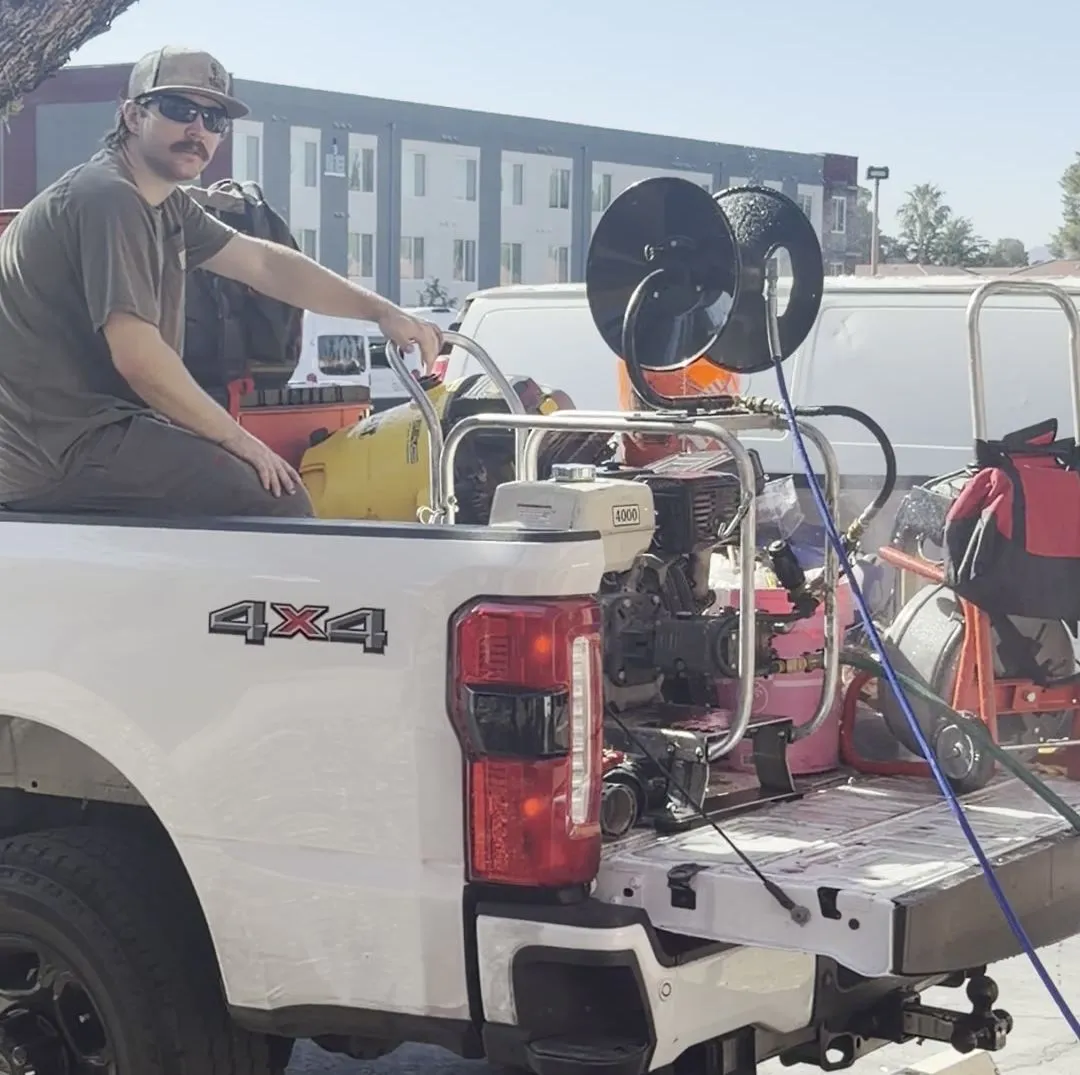
Plumbing leads come from Google Maps, Local Services Ads, Google Ads, Facebook, lead sites like Angi and Thumbtack, and referrals. The difference between plumbing and most other trades is that the lead is usually a phone call from someone who needs help today. So before you ask where to buy more calls, ask who answers them and what each job is worth.
The short answer: To get more plumbing leads and phone calls, build a complete Google Business Profile, earn steady reviews, and run a fast website with tap-to-call. Then add Local Services Ads and Google Ads for calls right now. Roundhouse Digital Marketing in Taylor, TX recommends fixing how your phone gets answered first and buying shared leads last.
Where do plumbing leads and phone calls come from?
Six sources cover almost every call a plumbing company gets. They send you different kinds of work, and that matters as much as the price.
| Source | How fast | What it sends you | Who else gets the call | What you keep |
|---|---|---|---|---|
| Google Maps and local search | Slow, builds over months | Urgent "plumber near me" calls | The other plumbers in the top three | Profile, reviews, website pages |
| Local Services Ads | Fast once Google screens you | Service and repair calls, paid per lead | Other screened plumbers in the box | Nothing once you stop paying |
| Google Ads | Often within the first week | Whatever you target, from emergencies to water heaters | Plumbers bidding on the same search | Nothing once you stop paying |
| Facebook and Instagram ads | Fast to launch | Planned work and specials | Few, but the audience is cold | Nothing once you stop paying |
| Lead sites (Angi, Thumbtack) | Immediate | Requests from homeowners comparing prices | Several plumbers at once | Little beyond a profile |
| Referrals and repeat customers | Steady | Your best-fit jobs | Usually just you | The relationship |
Look at the last column. Only the first and last rows keep paying after the money stops, and those are the two to build first.
Why fix the phone before you buy more leads?
Because every source on that list ends at the same place: your phone. In its 2026 home services benchmarks, Invoca found that only 52% of inbound calls reached a person, or 65% once you filter out calls under 15 seconds. The same report says 55% of home services businesses do not ask the lead to book the job.
Callers do not wait around. In a CallRail survey of 1,000 consumers, 82% said they would call a competitor if a business did not answer, and only 42% leave a voicemail.
Now it costs you twice. Since October 1, 2026, Google bills for missed Local Services Ads calls that stay connected past 20 seconds during business hours. You pay for the lead and your competitor gets the job.
Try this before you spend another dollar. Call your own number at 7 p.m. on a Tuesday and again on a Saturday morning. If it goes to voicemail, you have found your cheapest lead source. Set up an on-call rotation or an answering service, and add missed-call text back so nobody who reaches you after hours gets silence. Then make sure whoever answers books the job before they hang up.
How do you get plumbing calls from Google Maps?
Google Maps is the source you can own, and it is where the "my water heater is leaking" search lands. Here is the order we work in.
- Claim and verify your profile. Our guide to verifying your Google Business Profile covers the current process.
- Set Plumber as your primary category. Whitespark's Local Search Ranking Factors survey ranks primary category first among local pack factors. Then add every service you actually do, such as drain cleaning, water heater repair, and leak detection.
- Keep your hours honest. Being open at the time of search made Whitespark's top five, which is a big deal for a trade that gets called at night. If you truly answer around the clock, say so. If you don't, those calls go to voicemail and the reviews will mention it.
- Post real photos. Your trucks, your crew, and finished jobs tell homeowners you are a working local company. We keep a plumbing photo shot list for exactly this.
- Ask for a review on every job. The best moment is when the tech is packing up and the water is running again. Steady reviews beat a big burst followed by silence.
- Answer every review. Name the service and the town, such as a water heater replacement in Taylor.
- Keep your name, address, and phone identical everywhere. Small differences across directories confuse Google.
One thing to know: proximity ranks second in that same survey. You will show up strongest near your address and fade toward the edges of your service area. That is normal, and it is why plumbers use ads to cover the towns Maps does not reach. This is the core of our plumber SEO and Google Maps work.
What should a plumbing website do?
It should make the phone ring. Your next customer is probably holding a phone in one hand and a towel in the other, so the mobile version is the real version. That means your number at the top of every page, a tap-to-call button that follows them down the screen, and a short form for the person who finds you at midnight.
Give each major service its own page: drain cleaning, water heater repair and replacement, sewer line work, leak detection, and emergency plumbing. Add pages for the towns you serve, photos of your actual crew, and your license number. A page that loads slowly loses the lead before Google or an ad ever mattered.
We build plumber websites with that one job in mind, and here is why your nephew should not build yours.
Which plumbing leads are worth paying for?
Pay for speed when the schedule has holes, or while Maps is still building. For most plumbers, we would go in this order.
Local Services Ads come first. You pay for valid leads such as calls and messages, not clicks, and you sit at the top of the page once Google screens your business. Third-party benchmarks put plumbing leads around $57 on average, though your market will differ. Google is moving these ads onto Performance Max, and the pay-per-lead model stays. Keep your job types and service area tight, and see our Local Services Ads management page for how we run them.
Google Ads come next. This is where you choose the work you want. Separate emergency searches from planned work like water heater replacements and repipes, then run ads only when someone will pick up. Watch the search terms, because Google's defaults will spend your money on the wrong people. We once inherited a plumbing account buying clicks on "how to unclog a really clogged toilet," which is a homeowner trying not to call you. Block DIY searches and job seekers before launch. Our Google Ads for plumbers page covers the setup, and the budget math shows how to price it.
Facebook ads are for planned work. Nobody scrolls Instagram while the basement floods. Facebook works for a specific offer, such as a water heater special or a drain inspection, with a fast callback. Here is how to tell if Facebook ads work for plumbers in your shop.
Shared leads come last. Angi's help pages have put the cap at four or five pros per request, and third-party reports run as high as eight. You usually pay whether or not the homeowner books, and you are racing the others to the phone. If you use them, reply in minutes. We break down the math for Angi and HomeAdvisor and Thumbtack.
How do you get plumbing leads without buying them?
The best plumbing work often comes from people who already trust you, and most shops never ask for it on purpose.
- Property managers. One good relationship can mean repeat calls across a whole portfolio of units.
- Realtors and home inspectors. Inspections turn up water heaters and sewer lines that need work before closing, and those deals have deadlines.
- Other trades. HVAC companies, electricians, and restoration crews get asked about plumbing all the time. Trade names with them.
- Past customers. Send a text or email before freeze season or when a water heater is due for service. They already have your number. Remind them to use it.
- The neighbors. After a sewer job, hang door tags on the block. Everyone on that street has pipes the same age, and your wrapped truck has been parked out front all day.
How do you know which lead source is paying off?
Track three numbers for every source: calls, booked jobs, and cost per booked job. Use call tracking that swaps the number on your website, so the number in your directories stays the same, and log what happened on every call.
Then split it by job type, because plumbing tickets swing more than the average hides. Here is the same $150 cost per booked job against three kinds of work. These are illustration numbers, so swap in your own.
| Job | Example ticket | Example gross profit | After a $150 booked-job cost |
|---|---|---|---|
| Drain clear | $250 | $125 | Lose $25 |
| Water heater replacement | $2,000 | $800 | Keep $650 |
| Sewer line replacement | $6,000 | $1,800 | Keep $1,650 |
A source that sends nothing but drain clears can fill your board and still lose money. That does not make drain work bad, since a drain customer may call back for the water heater, but you should know which trade you are making. Our plumber marketing ROI calculator will run your numbers, and how much to spend on marketing covers the full budget.
The bottom line
To get more plumbing leads and phone calls, fix how the phone gets answered, then build what you own: a complete Google Business Profile, steady reviews, a website that turns visits into calls, and referral partners who send you work. Add Local Services Ads and Google Ads for speed, buy shared leads only if the math holds, and measure everything by cost per booked job. If you want a second set of eyes on your numbers, call Roundhouse Digital Marketing at (512) 980-9997 or look at our packages.
Frequently asked questions
How do plumbers get more phone calls?
Plumbers get more phone calls by showing up when someone searches for help, then answering. That means a complete Google Business Profile, steady reviews, and a fast website with tap-to-call. Local Services Ads and Google Ads add calls right away, but only pay off if someone picks up.
What is the cheapest way to get plumbing leads?
Referrals and repeat customers are the cheapest plumbing leads, followed by Google Maps, because you do not pay per call once you rank. Maps takes months to build, so many plumbers run paid ads in the meantime. Judge every source by cost per booked job, not cost per lead.
How much does a plumbing lead cost?
A plumbing lead usually costs $40 to $85 on Local Services Ads and lead sites, and it varies by market and job. On Roundhouse accounts in a typical suburban market, Google Ads leads have run roughly $45 to $75, while national benchmarks run past $100. Compare booked jobs, not lead prices.
Are shared plumbing leads worth buying?
Shared plumbing leads are worth buying only when your cost per booked job stays well under the profit on the job. The same homeowner goes to several plumbers, so the fastest reply usually wins. A shared lead can work on a water heater and lose money on a small drain clear.
How long does it take to get plumbing calls from Google Maps?
Expect 3 to 6 months before Google Maps sends steady plumbing calls, and longer in a crowded metro. Speed depends on your profile, your review pace compared with nearby plumbers, and how clearly your website matches your services. No one can promise a ranking, and anyone who does is selling something.
How do I know which plumbing lead source is working?
Track calls and booked jobs by source, then divide what you spent on each source by the jobs it booked. That gives you cost per booked job. Compare it to the gross profit on each job type, because a source that sends only small tickets can look busy and still lose money.